
 English
  Vietnamese
  Korean
  Japanese
  Thai
Thai  Malay
Malay In the modern manufacturing era, the trend towards product line flexibility (High-mix, Low-volume) poses a major challenge for automated factories. The use of traditional vibratory tumbling machines is increasingly revealing its limitations: workpiece jamming, scratching of thin parts, and the time-consuming modification of the trapping mechanism each time a product model changes.
To completely solve this problem, flexible workpiece feeding system It emerged and quickly became the new standard in smart manufacturing lines. SWOER Find out more!
What are the components of a flexible workpiece feeding system?
Unlike mechanical vibratory troughs that rely entirely on the path profile, flexible workpiece feeding systems are a synchronized combination of precision mechanics, image processing technology, and high-speed robotics.
The system comprises four core components:
- Flexible vibrating tableFlex Feeder (size): Equipped with multi-directional vibration technology (horizontal, vertical, and workpiece flipping). The vibrating table's function is to separate overlapping or stuck parts, and to flatten the workpiece on the viewing surface.
- AI Vision Camera System (Intelligent Image Processing): Mounted above the vibrating table for panoramic imaging, the camera precisely determines the coordinates (X, Y), rotation angle, and identifies the face/face of each workpiece within milliseconds.
- High-speed picking robot (Delta Robot / SCARA (Robot arm): Receive coordinate data from the Vision system to accurately locate and pick up the correct workpiece and place it in the assembly position or tray.
- Central control software: Allows storing hundreds of product scenarios.fruitWhen switching to producing a new product code, engineers simply select the settings file on the screen without any mechanical intervention.
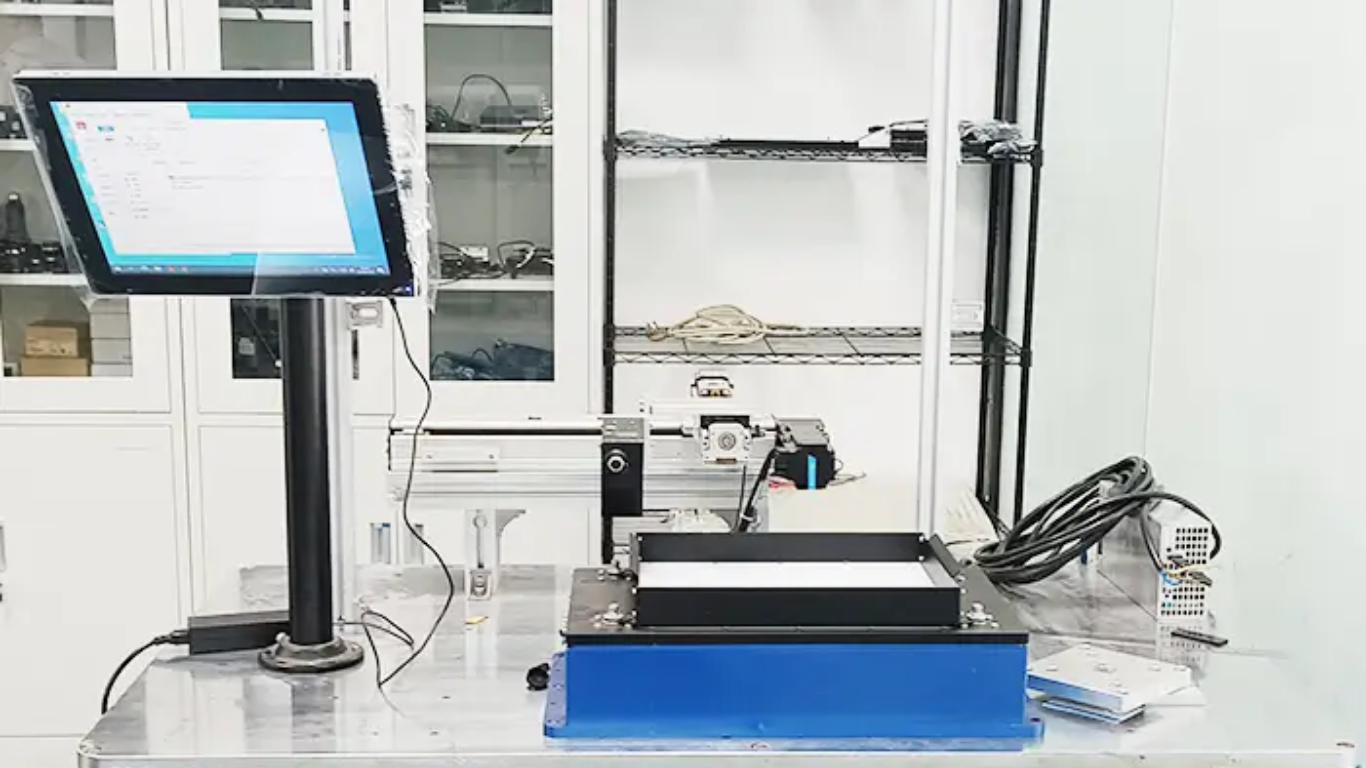
Comparison of flexible workpiece feeding systems and traditional vibrating tables.
Below is a visual comparison table to help engineers and production managers make informed investment choices:
| Comparison criteria | Traditional vibrating bowl | Flexible Feeder System |
| Flexibility when switching models | Poor (Requires repair of the trap mechanism or replacement of the plate) | Extra high (Simply select the Recipe in the software) |
| Protect the workpiece surface. | Easily causes scratches on thin workpieces and electroplated workpieces. | Gentle vibration, scratch-resistant 100% |
| Ability to handle complex workpieces | Difficult to handle oil-stained, thin, and tangled workpieces. | Separating and flipping the workpiece is easy thanks to 3D vibration. |
| New product setup time | 2-4 weeks for redesign and remanufacturing. | 15-30 minutes to set up software parameters |
| Initial investment costs | Low to medium | Medium to high ROI (quick return on investment) |
Practical applications of flexible workpiece feeding systems.
Thanks to its high degree of customization, the Flex Feeder system is widely used in many cutting-edge industries:
- Manufacture of electronic and semiconductor components: Supplying blanks for pin connectors, integrated circuits, and small, easily deformable metal clips.
- Healthcare & Pharmaceuticals: Sort and dispense vial caps, needles, and medical valves in a cleanroom environment, ensuring that the products are not broken or scratched.
- Precision Engineering & Automotive: We supply gear parts, washers, and plastic clamps in various sizes on the same production line.
- Packaging & Cosmetics: The spray nozzles and bottle caps feature intricate designs that frequently change seasonally.
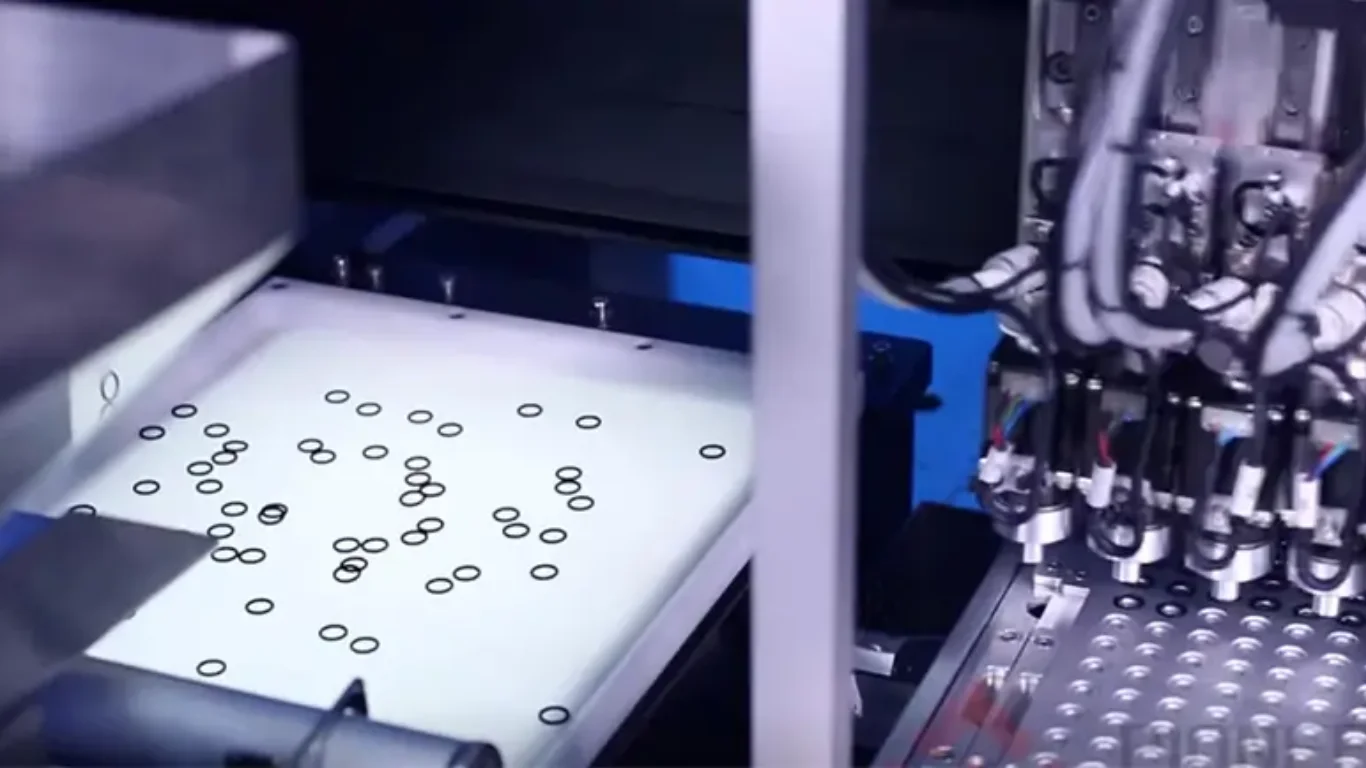
Economic benefits of investing in the SWOER flexible workpiece feeding system.
Investing in SWOER's Flex Feeder system provides businesses with a clear competitive advantage:
- Shorten the time-to-market: Adapt instantly to new workpiece designs without disrupting production schedules.
- Optimizing factory space: A single Flex Feeder system can replace a bulky cluster of 3-5 mechanical vibrating plates.
- Optimizing long-term operating costs: Completely eliminate the cost of remanufacturing the vibrating plate and minimize machine downtime.Downtime).
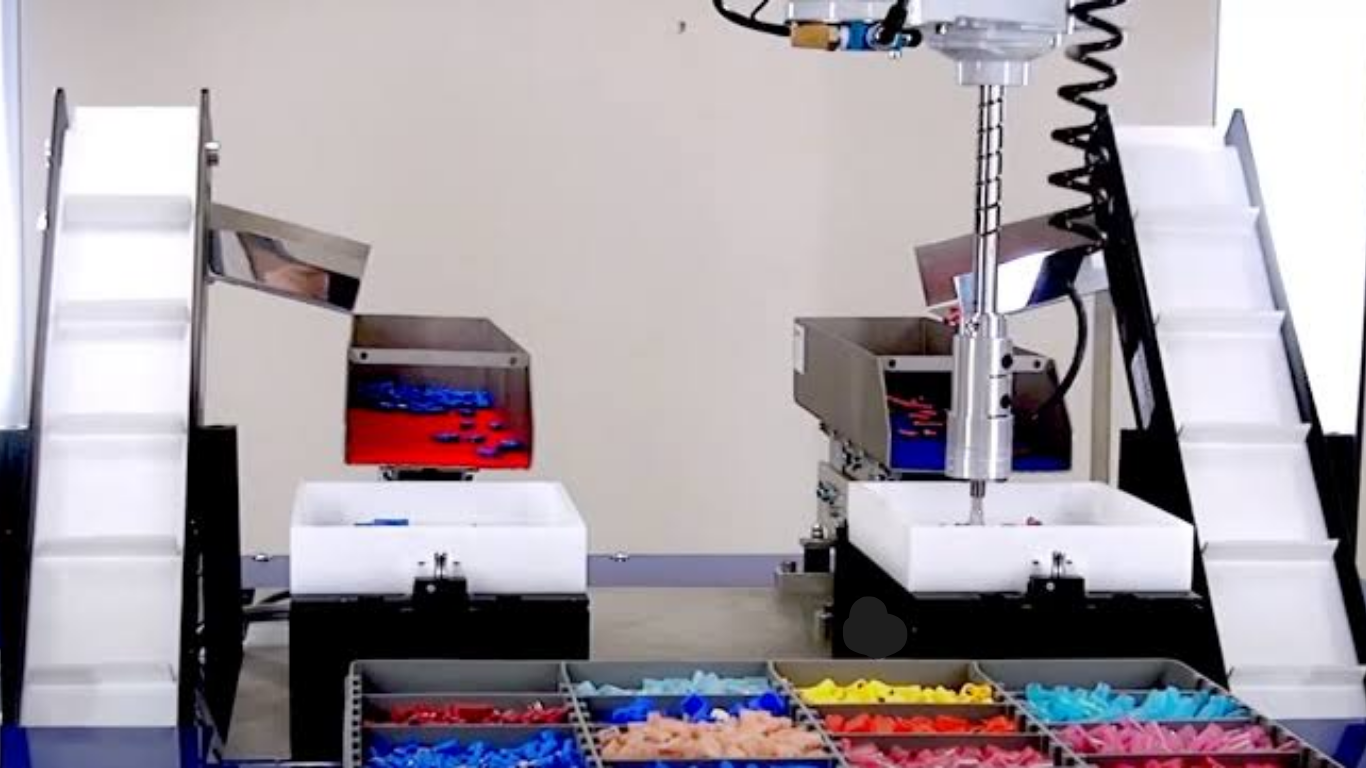
Conclude
Flexible material handling systems are the key solution that helps factories boost productivity, optimize resources, and prepare for smart manufacturing models.
Experts at SWOER We are ready to assist with surveying, analyzing workpiece samples, and providing the most suitable integrated solution (Flex Feeder + Vision AI + Robot) for your factory. SWOER support Direct sample testing and Free 3D solution demo for businesses.
Contact us
Please let us know your material size and required speed.